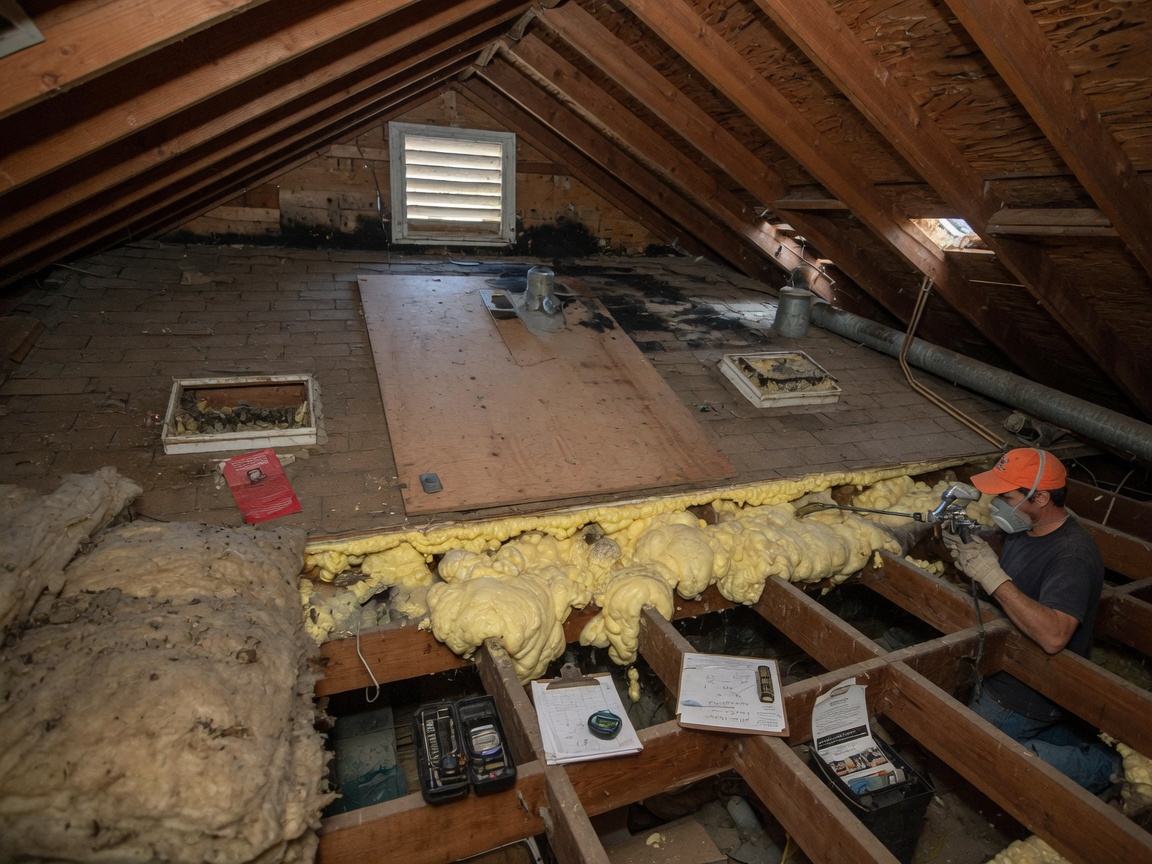
Broken Arrow homeowners often deal with attic heat gain during humid summers and rapid heat loss once winter arrives. Tulsa Attic Insulation Experts works directly in neighborhoods like the Rose District and along Aspen Avenue, where many single-story ranch homes built from the 1970s through 1990s have limited attic access and older fiberglass batts that have settled. Our crews arrive from the 4343 S Memorial Dr shop and focus on proper ventilation so moisture from frequent thunderstorms does not stay trapped above ceilings.
Suburban lots in Broken Arrow commonly back up to Haikey Creek Park or Arrowhead Park, creating extra shade on north-facing roofs while south exposures bake in summer. We measure existing insulation depth in these homes before adding blown cellulose that fills around existing wiring and recessed lights without disturbing the original structure. Service calls respect Mon–Fri 8am–6pm and Sat 9am–2pm schedules so residents can be present during the work.
Nearby schools such as Broken Arrow High School and Central Park at Broken Arrow see families who want quieter attics once insulation is updated. The same upgrades help control utility costs in the cold months when winds sweep across open fields west of the city.
Around Broken Arrow
We regularly work near:
- 📍Rose District
- 📍Arrowhead Park
- 📍Haikey Creek Park
- 📍Broken Arrow High School
- 📍Central Park at Broken Arrow
- 📍Broken Arrow Performing Arts Center
Tulsa Attic Insulation in Broken Arrow — Local Notes
- •Many Broken Arrow homes from the 1980s have low-pitch roofs that limit walk space, so crews use long hoses from the truck parked on the street rather than trying to carry bags through narrow attic hatches.
- •Proximity to Haikey Creek means higher ground moisture after storms; we always check for existing ridge vent function before adding insulation to avoid trapping humidity that could reach drywall.
- •Suburban streets like Elm Place and Kenosha often have mature trees that drop leaves into gutters, so we inspect soffit intake before sealing attic bypasses to keep airflow moving year-round.